What Is Pre-Vacancy Hiring?
Pre-vacancy hiring describes the stage of recruitment where companies begin identifying potential candidates before a job is publicly advertised. Instead of waiting for applications, employees and managers often recommend candidates through internal networks and referrals.
This approach allows companies to build awareness of strong talent before formal hiring processes begin, reducing time-to-hire and improving the quality of candidates who enter the interview process.
Why Companies Hire Before Posting Jobs
Hiring managers often anticipate staffing needs before a role formally exists. Projects expand, teams grow, or new initiatives begin. During this early phase, managers frequently ask employees whether they know strong potential candidates.
This early evaluation process allows companies to move quickly when the position is officially approved. Instead of starting from scratch with job postings and applicant screening, they can reach out to pre-identified candidates who have already been informally vetted through employee recommendations.
By the time a role reaches the public job market, companies may already have several strong candidates in their pipeline, significantly reducing their reliance on traditional recruitment channels.
How Pre-Vacancy Hiring Works
Team anticipates hiring need
Managers identify potential growth areas or upcoming projects that may require additional headcount.
Employees recommend potential candidates
Team members suggest individuals from their professional networks who might be strong fits.
Candidates are informally evaluated
Hiring managers review background information and assess preliminary fit before any formal process begins.
Talent pool begins forming
A shortlist of potential candidates emerges before any job description is written or approved.
Role is formally advertised
Only after internal candidates are identified does the role typically reach external job boards.
This sequence shows why many candidates who apply through job boards enter the process at a significant disadvantage. By the time a role is publicly posted, companies often already have several strong internal referrals under consideration.
Why Job Boards Often Show Roles Too Late
Job boards typically represent the final stage of the hiring process. By the time a job appears publicly, companies may already have strong candidates through referrals or internal recommendations.
Applicants entering at this stage often face significantly higher competition. They're competing not only against other external applicants but also against candidates who were introduced earlier through trusted employee networks.
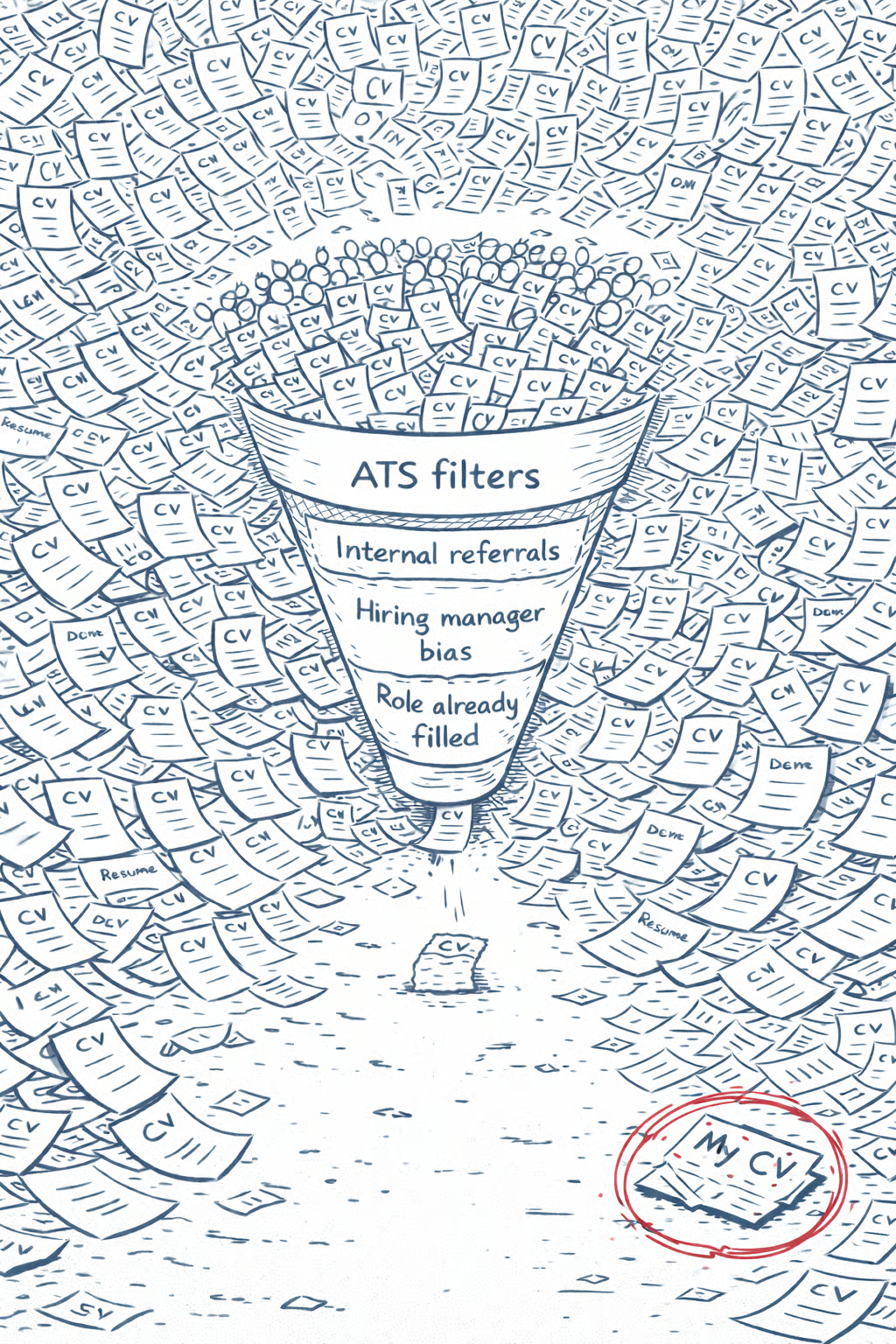
Traditional job board applications face multiple filtering stages before reaching hiring managers.
Key insight: Many roles posted on job boards are already partially filled in the minds of hiring managers. The public posting may be a formality to comply with hiring policies, even when internal candidates are strongly preferred.
This reality doesn't mean job boards are useless, but it does explain why networking and employee referrals consistently produce better hiring outcomes than cold applications.
Employee Referrals in Early Hiring
Employee referrals are one of the most common ways companies identify candidates during the early stages of hiring. Employees often introduce candidates they believe would be strong additions to their team.
These referrals carry significant weight because they come with implicit trust. When an employee recommends someone, they're effectively vouching for that person's skills, work ethic, and cultural fit.
Companies value this pre-validation because it reduces hiring risk and accelerates decision-making. A referred candidate doesn't start as a stranger - they enter the process with an internal advocate who can provide context that no CV could capture.
Learn more about how companies use employee referrals to identify and evaluate candidates before formal hiring begins.
How ReferPool Enables Pre-Vacancy Hiring
ReferPool allows employees to create PeerScreen™ assessments that candidates can complete before roles are advertised. These responses help employees evaluate candidates early and build small talent pools that can be activated when hiring begins.
Instead of waiting for a vacancy announcement, candidates can signal their interest and capabilities to employees who may refer them when opportunities arise. This creates a pre-vacancy radar where potential candidates are identified and evaluated months before traditional hiring processes begin.
Benefits of PeerScreen™ for pre-vacancy hiring:
- Employees can evaluate candidates without formal job descriptions
- Candidates demonstrate skills and motivation before vacancies exist
- Companies build talent pools that reduce time-to-hire
- Hiring managers gain early visibility into referred candidates
Early Hiring Statistics
Many companies identify potential candidates months before roles are advertised.
Employee referrals remain one of the most trusted hiring signals.
Early candidate identification can significantly shorten hiring timelines.
Explore Related Hiring Insights
Hidden Job Market
How many jobs are filled before they are advertised.
Internships
How students can access internship opportunities earlier.
Employee Referrals
Why companies trust referrals when hiring.
What is PeerScreen?
Understand how PeerScreen adds a trust layer before referrals.
Pre-Vacancy Hiring FAQs
Updated March 2026
Kal and his team build platforms that help students and professionals access opportunities earlier through employee referrals and peer-to-peer networks. He specialises in pre-vacancy hiring and structured referral frameworks for companies seeking interns and boosting employability for recent graduates.